Culture
Serbia History in 10 Minutes (for Visitors)
The short story behind the fortresses, monasteries and monuments you will see.
Quick answer
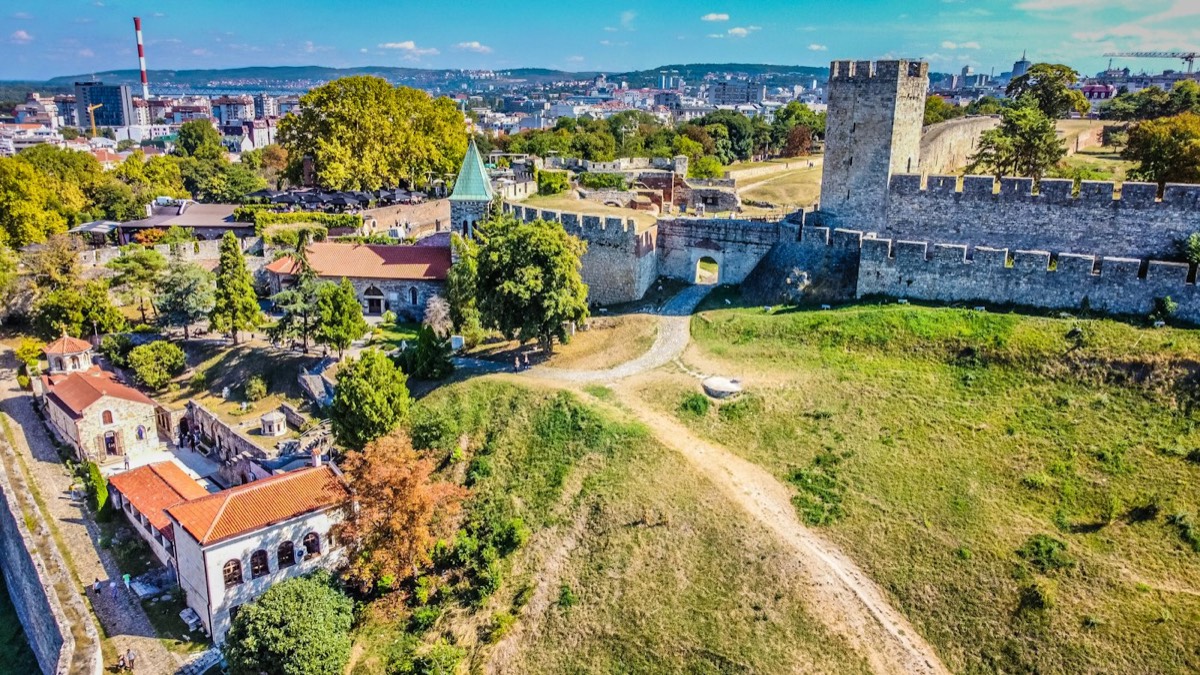
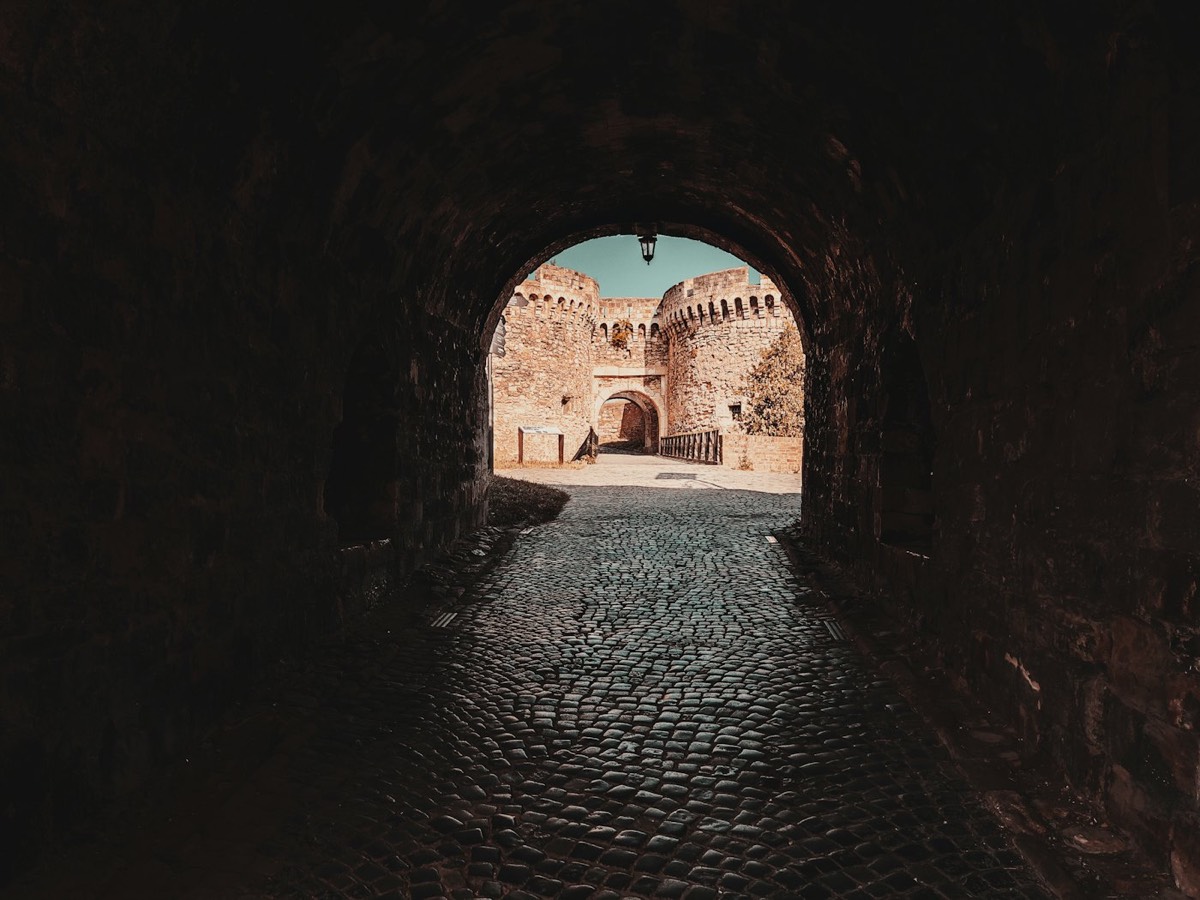
Romans, medieval kings, four centuries of Ottoman rule, two uprisings, Yugoslavia and a modern republic: you can read it in the stones of Belgrade Fortress.
Quick facts
- Roman era
- Singidunum (Belgrade), Naissus (Niš)
- Middle Ages
- Nemanjić dynasty
- 1804
- First Serbian Uprising
- Today
- Republic of Serbia
- Last checked
- 27 Oct 2026
Romans
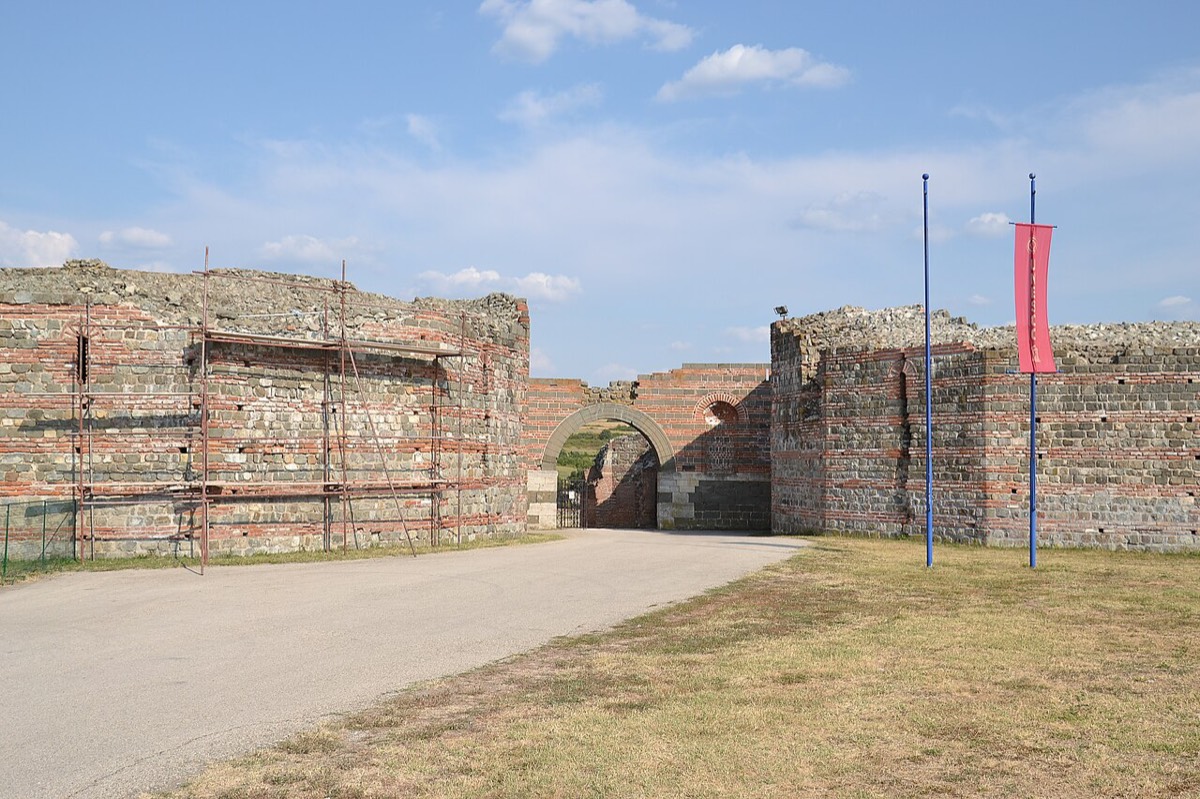
Belgrade began as the Roman fort of Singidunum and Niš as Naissus, birthplace of Emperor Constantine the Great. Serbia has the remains of many Roman cities, including Viminacium and Felix Romuliana.
The medieval kingdom
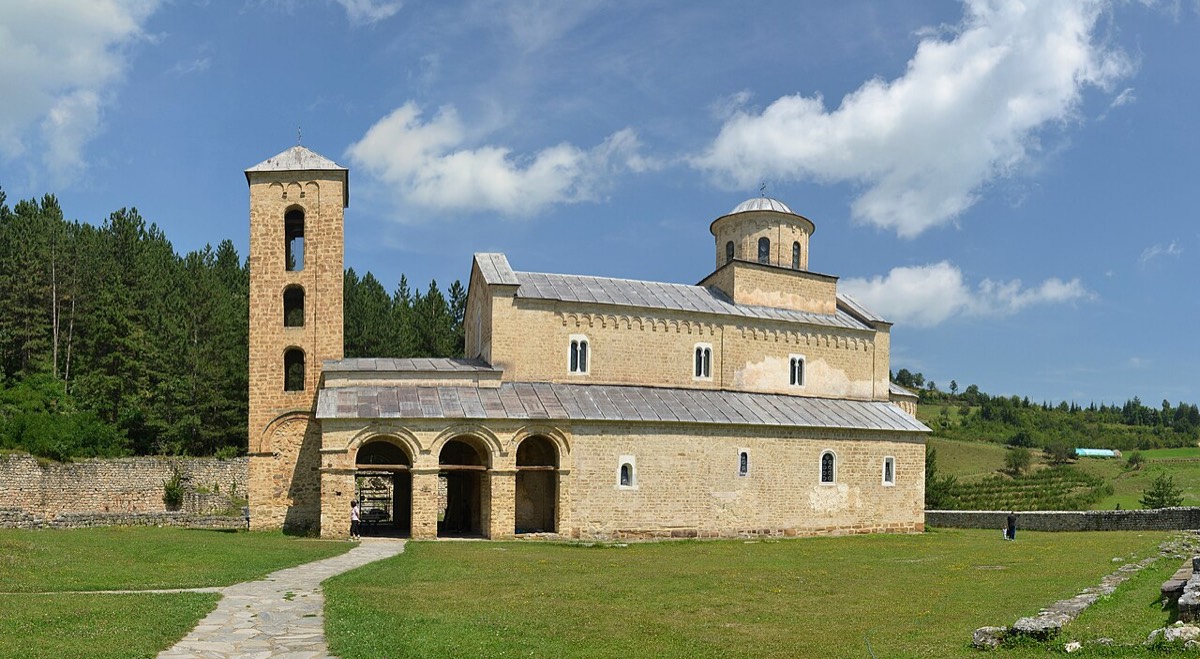
From the 12th century the Nemanjić dynasty built a strong medieval state and monasteries such as Studenica and Sopoćani, still the treasures of Serbian art.
Ottoman centuries and uprisings
After the Battle of Kosovo in 1389 and the fall of the medieval state in 1459, Serbia was under Ottoman rule for centuries. The First (1804) and Second (1815) Serbian Uprisings led to autonomy and, in 1878, full independence.
Yugoslavia
After the First World War Serbia became part of the Kingdom of Serbs, Croats and Slovenes, later Yugoslavia. After the Second World War it was a republic of socialist Yugoslavia under Tito; the Museum of Yugoslavia and the House of Flowers in Belgrade tell this story.
Modern Serbia
After the breakup of Yugoslavia in the 1990s, Serbia became an independent republic in 2006. Today it is an EU candidate country, and in 2027 it hosts EXPO.
Tip: For the longest view of the story, start at the National Museum on Republic Square, the oldest museum in Belgrade, founded in 1844.
Frequently asked questions
What is the oldest place to visit in Serbia?
Lepenski Vir, a Mesolithic site on the Danube, is one of the oldest.
Keep planning