Slow travel
Rural Tourism in Serbia: Villages, Salaši and Ethno Stays
Where to sleep on a farm, eat home cooking and see village crafts, from Vojvodina’s salaši to the mountain villages of the west.
This guide contains affiliate links. If you book through them we may earn a small commission, at no extra cost to you. How we make money
Quick answer
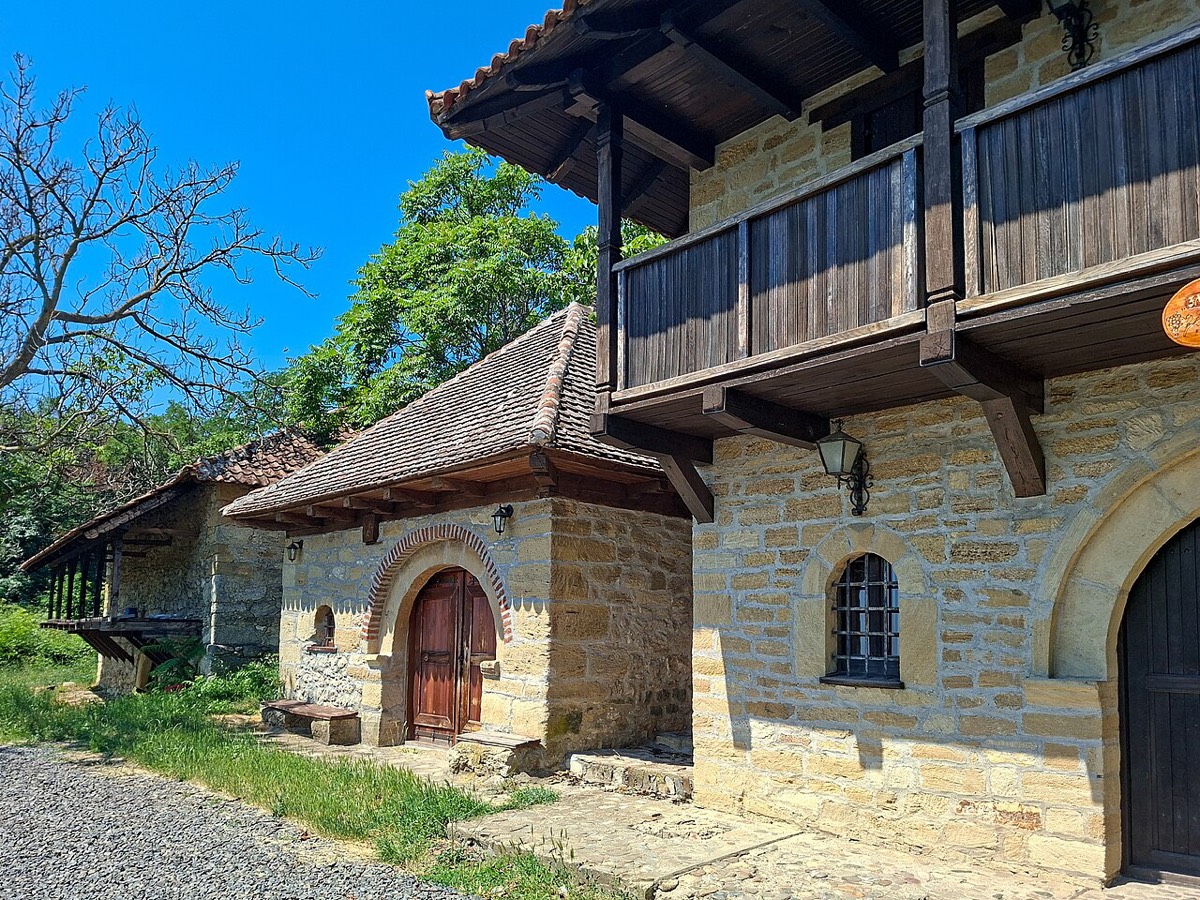
Rural areas make up most of Serbia, and village tourism here goes back to the 1970s. Stay on a salaš (farmstead) in Vojvodina, in a stone or wooden guesthouse in western Serbia, or visit living museums like Sirogojno and Drvengrad. Expect home cooking, rakija on arrival and very few other tourists.
Quick facts
- Best regions
- Vojvodina, western Serbia, eastern Serbia
- Typical stay
- Family guesthouse or salaš
- Food
- Home-grown, home-cooked
- Getting around
- A car is almost essential
- Last checked
- 27 Oct 2026
Salaši in Vojvodina
A salaš is a traditional farmstead on the Pannonian plain, standing alone among the fields. Many now serve long lunches and offer rooms: think homemade pasta, paprikash, strudel and local wine, with horses and old farm tools around. Look around Sombor, Subotica and Novi Sad.

Ethno villages and living museums
- Sirogojno (Zlatibor): open-air museum of traditional wooden houses and the famous hand-knitted sweaters
- Drvengrad (Mokra Gora): wooden village built by Emir Kusturica
- Zlakusa (near Užice): pottery village with the Terzića avlija ethno-park
- Tršić: birthplace of Vuk Karadžić, with a protected complex of traditional buildings
Rajačke pimnice: a village of wine cellars
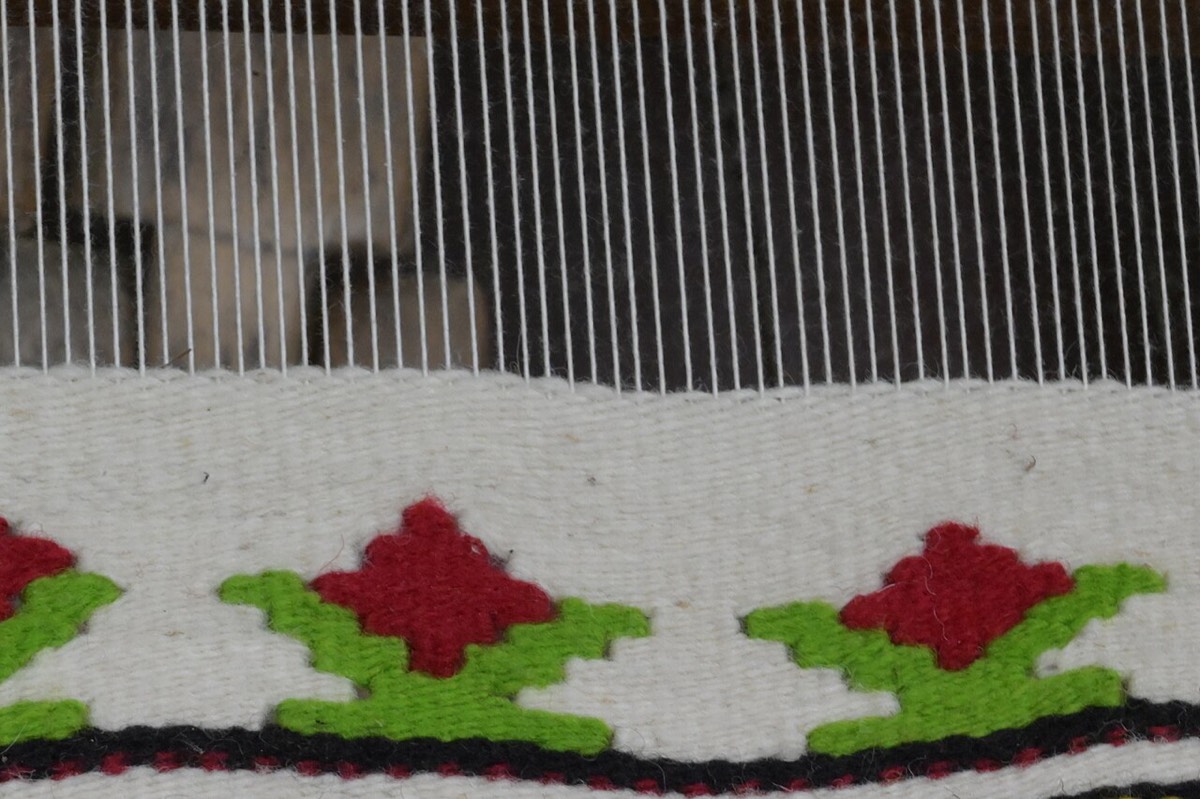
In eastern Serbia near Negotin, the village of Rajac has a unique group of old stone wine cellars (pimnice), built by local winemakers and still used today. It’s one of the most unusual rural sights in the country, and a great place to taste local wine.
What to expect
- Simple, clean rooms in family houses; few hotels
- Big home-cooked meals, often from the family’s own farm
- Rakija as a welcome drink
- Little English in some villages, lots of hospitality
- Cash is often needed
How to book
Some guesthouses are on Booking.com; many others book by phone through local tourist organisations. The National Tourism Organisation’s countryside pages are a good starting point.
Tip: Village stays and salaši are often small family places, so call ahead, even for a meal. Bring cash, as many do not take cards.
Find a countryside stay
Farm stays, ethno villages and guesthouses across Serbia.
See countryside staysFrequently asked questions
What is a salaš?
A traditional farmstead on the Vojvodina plain, many of which now welcome guests for meals and overnight stays.
Do I need a car for rural tourism in Serbia?
Almost always; public transport to villages is limited.
Where is the best rural tourism in Serbia?
Vojvodina for salaši, western Serbia (Zlatibor, Mokra Gora) for mountain villages and eastern Serbia for wine villages like Rajac.
Sources
- National Tourism Organisation: countryside, western Serbia
- Human Geographies: rural tourism in Serbia
- MDPI: Zlakusa rural tourism
Checked 27 Oct 2026. Prices and timetables change; confirm before you travel.
Keep planning